Naltrexone, a effective medication, is usually prescribed to assist individuals address opioid or booze dependence. Quantity varies significantly depending on the version – extended-release tablet or oral solution – and the individual's specific needs, usually starting with a lower beginning dose and progressively increasing it under medical supervision. It's critically crucial to discuss the appropriate schedule with a healthcare expert. Importantly, naltrexone has a complex interaction with booze – while it doesn't reduce intoxication, it can lessen cravings and possibly decrease the probability of relapse. Well-known products for naltrexone contain Revia (for oral use) and Vivitrol (the extended-release injectable version). Always take this medication without the direction of a trained healthcare practitioner.
Understanding Naltrexone 50mg
Naltrexone, specifically in the dosage of 50mg, represents a vital medication in the management of opioid and alcohol dependence. This pill form is typically prescribed for individuals seeking to interrupt patterns of substance use and requires careful consideration and adherence to a personalized treatment program. It's crucial to understand that naltrexone 50mg cannot produce euphoria or feelings of well-being and its efficacy hinges on a commitment to behavioral counseling and lifestyle modifications. Potential adverse reactions, while generally minor for most, should be carefully discussed with a qualified professional prior to initiating therapy. Furthermore, it is absolutely critical that individuals are completely drug-free for a specified period, typically 7-10 days, before starting naltrexone 50mg to prevent the risk of a severe and potentially life-threatening reaction.
Naltrexone and Alcohol: What You Need to Know
Dealing with alcohol dependence can feel like an difficult battle, but available treatment options offer real hope. One such tool is naltrexone, a medication specifically designed to diminish cravings and help individuals regain mastery over their consumption. Though it doesn't act as a “detox” or quickly stop someone from drinking, naltrexone works by blocking the brain chemicals in the brain that are linked with pleasure and reward when booze are consumed. This effectively lessens the reinforcing effects of alcohol, making it smaller appealing and easier to decline the urge to drink. It’s typically given as either a daily pill or a 30-day injection, and should always be employed as part of a complete program that may furthermore include counseling and behavioral therapies. It's important to speak to a healthcare professional to assess if naltrexone is a right choice for your individual situation, as certain medical health issues or medications might impact its effectiveness or safety.
Full List of Naltrexone Brand Labels
Navigating the landscape of addiction treatment often involves understanding the various available medications, and knowing their commercial names is a crucial first step. Naltrexone, a vital medication in opioid and alcohol use disorder treatment, is marketed under several different names. This overview aims to provide a exhaustive list of those branded versions. While the generic form – naltrexone – is widely available, several pharmaceutical companies offer proprietary formulations. Understanding these distinctions might be helpful for patients and healthcare providers alike. Here's a breakdown of the leading commercial designations, although it’s always recommended to verify specifics with your doctor naltrexone anxiété or pharmacist. Please note that availability might vary by region and country.
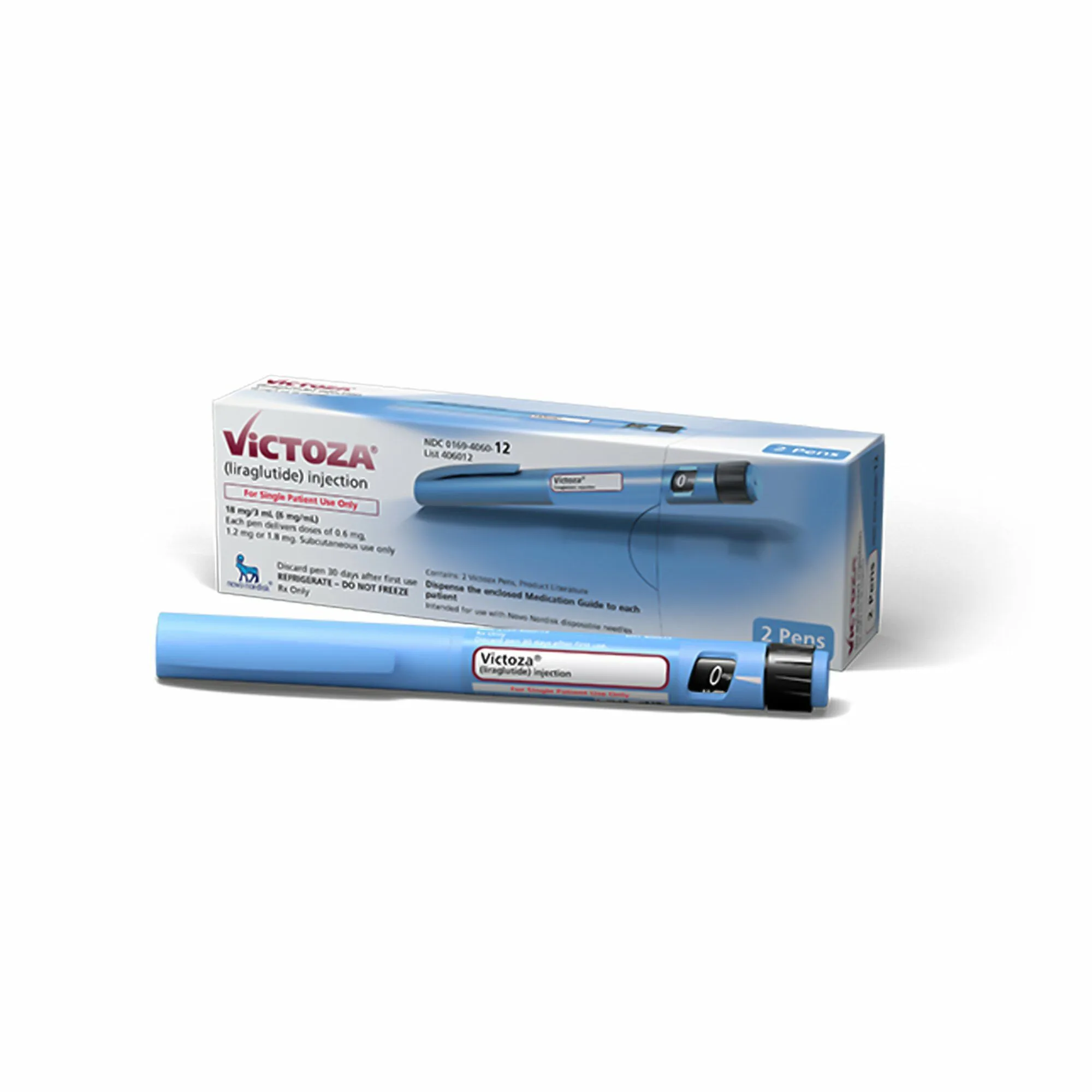
The most well-known branded version is Vivitrol, a long-acting injectable formulation. ReVia is another established product, representing the oral form. Occasionally, other drug companies have launched versions with slightly different brands, though these are less frequently encountered. Ultimately, the active ingredient remains naltrexone; the differing names indicate different formulations and branding strategies. Always talk with your healthcare professional for personalized advice.
- Vivitrol
- ReVia
- Various lesser-known trade versions (availability changes)
Remember that medication names and availability are subject to change, so it’s always best to consult with a pharmacy professional for the most up-to-date information.
Comprehending Naltrexone: The Applications and Safety
Naltrexone, a approved medication, primarily serves as the opioid antagonist and an treatment for alcohol abuse. It works by blocking the impact of opioids, diminishing the euphoric sensations and therefore minimizing the risk of relapse. For individuals struggling with alcohol use disorder, it can assist reduce cravings and avoid heavy intake. However, this vitally necessary to understand its precautions. Individuals with untreated depression, a history of sudden breathing difficulties, or who are currently using opioids, should not taking naltrexone. A risk of opioid withdrawal can be intense and should only be overseen by a experienced healthcare provider. Furthermore, naltrexone does not address the underlying reasons of substance use and requires a integrated treatment approach like therapy and support.
- Narcotic Antagonist
- Treatment for wine and beer abuse
- Cravings Reduction
- Likely Withdrawal impacts
- Requires Medical guidance
Naltrexone: Information on Drinking, Amount, and Brand Names
Naltrexone is a prescription treatment primarily employed to help individuals overcome alcohol use dependence and opioid misuse. When considering naltrexone for alcohol, it's crucial to be aware of the advised administration which is generally administered as either an ingested pill or an long-acting formulation. Popular oral generic versions include ReVia and Vivitrol, although numerous alternative versions are accessible as well. Remember to discuss your medical professional regarding the most suitable treatment and potential side effects before beginning any this regimen. This is important to note that naltrexone will not induce actual addiction but requires dedication to consistent rehabilitation programs.